
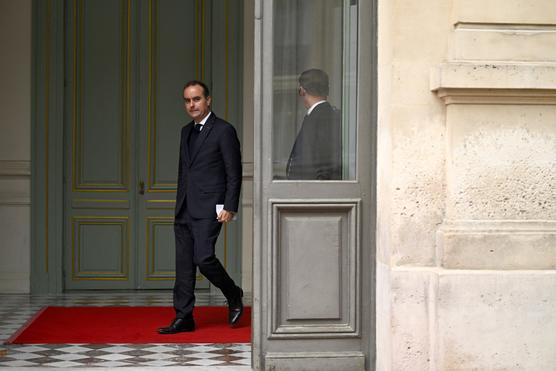
After a crisis meeting, Prime Minister Sébastien Lecornu said the government was ready to impose a state of emergency 'if needed.'
Le Monde with AFP
The French prime minister called for local curfews on Monday, October 19, as protesters blocked the entrance to the Louvre in Paris and authorities scrambled to stem public discontent that over the weekend saw mass cost-of-living demonstrations spill over into some of the worst street violence in recent years.
Prime Minister Sébastien Lecornu huddled with ministers in a crisis meeting after the interior minister said the police "had lost control" during the weekend's unrest. With the Yellow Vests movement, which joined the weekend's rallies, calling for a new round of protests next Saturday, Lecornu called for regional authorities to impose "partial" and "localized" curfews to protect businesses after hundreds of shops were damaged and looted.
"I'm absolutely determined to restore public order", he vowed, adding that the government was ready to impose a state of emergency "if needed."
Other European countries, where anger over rising prices has also led to protests, were keeping a nervous eye on the developments, with smaller clashes breaking out in Milan and Belgium over the weekend and protests simmering in Spain and Portugal.
Some half a million people turned out across France on Saturday to denounce the surging cost of living, a culmination of four weeks of protests that began with high school students demanding better conditions at their schools.
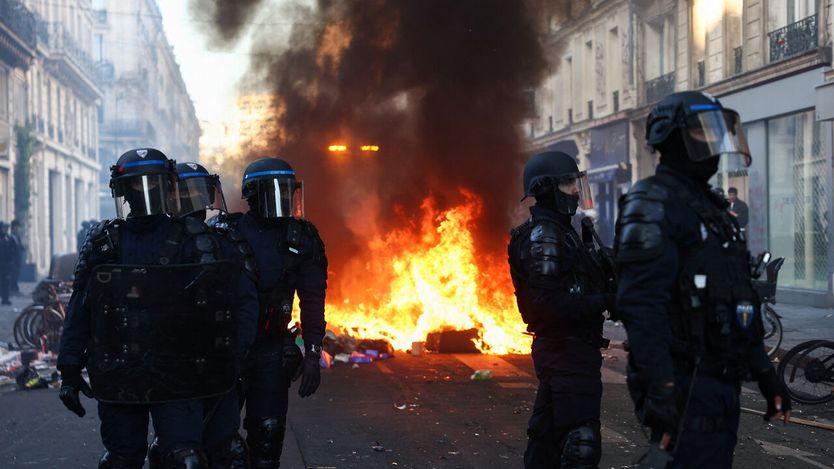
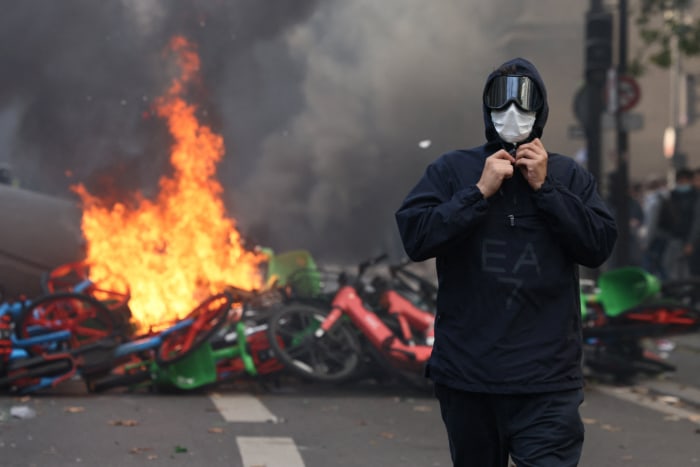
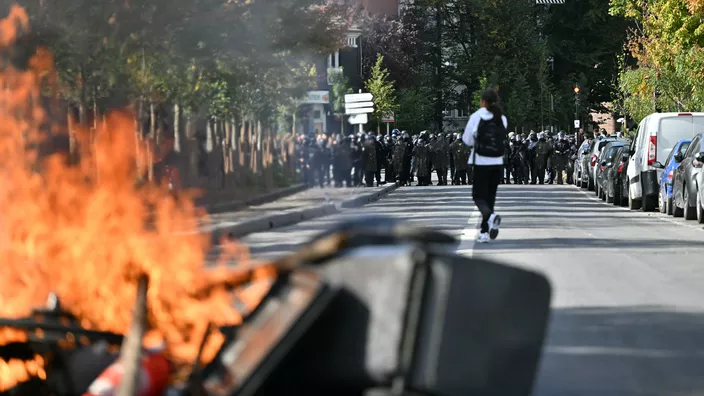
What started as peaceful demonstrations morphed into violence in some places, as masked groups on the sidelines of the protests attacked law enforcement, broke into town halls and other public buildings, setting many of them ablaze, looted shops, and set fire to cars, bicycles and scooters on the streets.

"On Saturday, in some major cities, you couldn't look shopkeepers in the eye after hundreds of shops had been looted and tell them we hadn't lost control," Nuñez said. He said "a number of measures" aimed at containing and preventing looters and vandals would be implemented "starting this evening," including boosting police on the streets.
French President Emmanuel Macron refused Nuñez's resignation, even as he acknowledged security and intelligence failures in the government response, despite the deployment of some 60,000 law enforcement personnel across the country on Saturday. Nationwide, more than 2,330 people were taken into police custody over the weekend, 70% of whom were adults – and many of whom were already known to authorities, Justice Minister Gérald Darmanin said Monday.
More than 2,000 shops were expected to have been affected by the weekend's violence across France, with damage running into "hundreds of millions of euros," according to chamber of commerce president Alain Di Crescenzo.
In an address to the nation Sunday evening, Macron slammed the "unbridled" violence and said local authorities would be able to ban – "if necessary" – certain rallies in coming days. But he stopped short of announcing drastic measures, such as a state of emergency or curfew.
City authorities in Marseille said on Monday that public gatherings would be banned from noon to 8 pm.
Louvre blocked
The public discontent showed no signs of subsiding on Monday, with demonstrators blocking the entrance to Paris's iconic Louvre Museum, the most visited in the world. "We are proud to announce that we are blocking the world's largest museum," read a leaflet posted outside the museum, as management and unions said the protest was led by students from Ecole du Louvre.


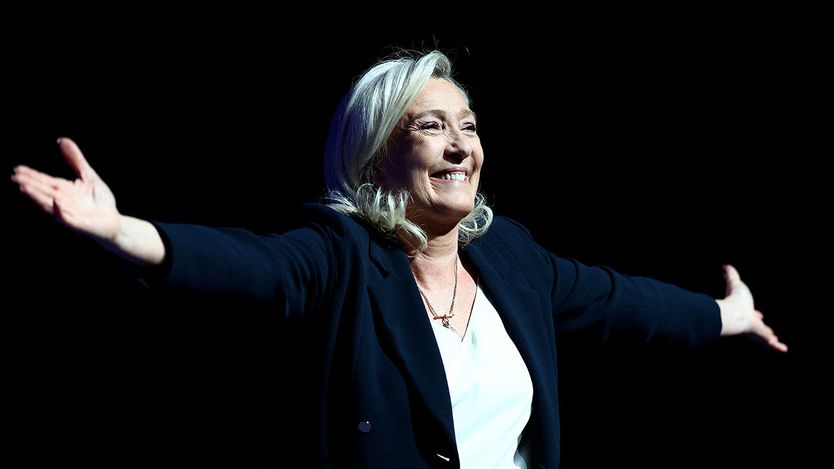
Rising prices have fueled anger in France, where diesel prices have jumped nearly 40% and petrol by 25% since March and where food prices have risen by 25% since 2021. The unrest has flared just months before a key presidential election where centrist Macron cannot stand again and Marine Le Pen, the far-right presidential candidate for the Rassemblement National party, is riding high in the polls.
On Monday, Lecornu blamed the "ultra-left movement" for seeking to "orchestrate deep unrest across the country." "There is a whole network that could be mobilised to even call into question the timetable for the presidential election and the holding of the presidential election itself," Lecornu told reporters.
Right to protest 'must be protected'
The European Union slammed the weekend violence as "unacceptable" but warned that the right to peaceful protest "must be protected" in France. "Those who demonstrate peacefully must not be conflated with those who commit violence," EU spokesman Markus Lammert said. "Arson, looting, and attacks on people or public buildings are unacceptable."
The European Commission, the EU's digital regulator, is also in "close contact" with France's ARCOM media regulator to ensure social media and video-sharing platforms enforce digital content rules against manipulating information and inciting violence. "When online platforms are becoming aware or have a suspicion of a criminal offence that may occur, they have to proactively enforce and inform national authorities," EU spokesman Thomas Regnier said. The Commission is "ready to assist and to support the national authorities," Regnier told reporters.
Germany condemned the violence and updated its travel advice for France, saying "further demonstrations and, in some cases, further outbreaks of violence in the coming days cannot be ruled out." The United Kingdom said the right to protest "can never excuse violence."