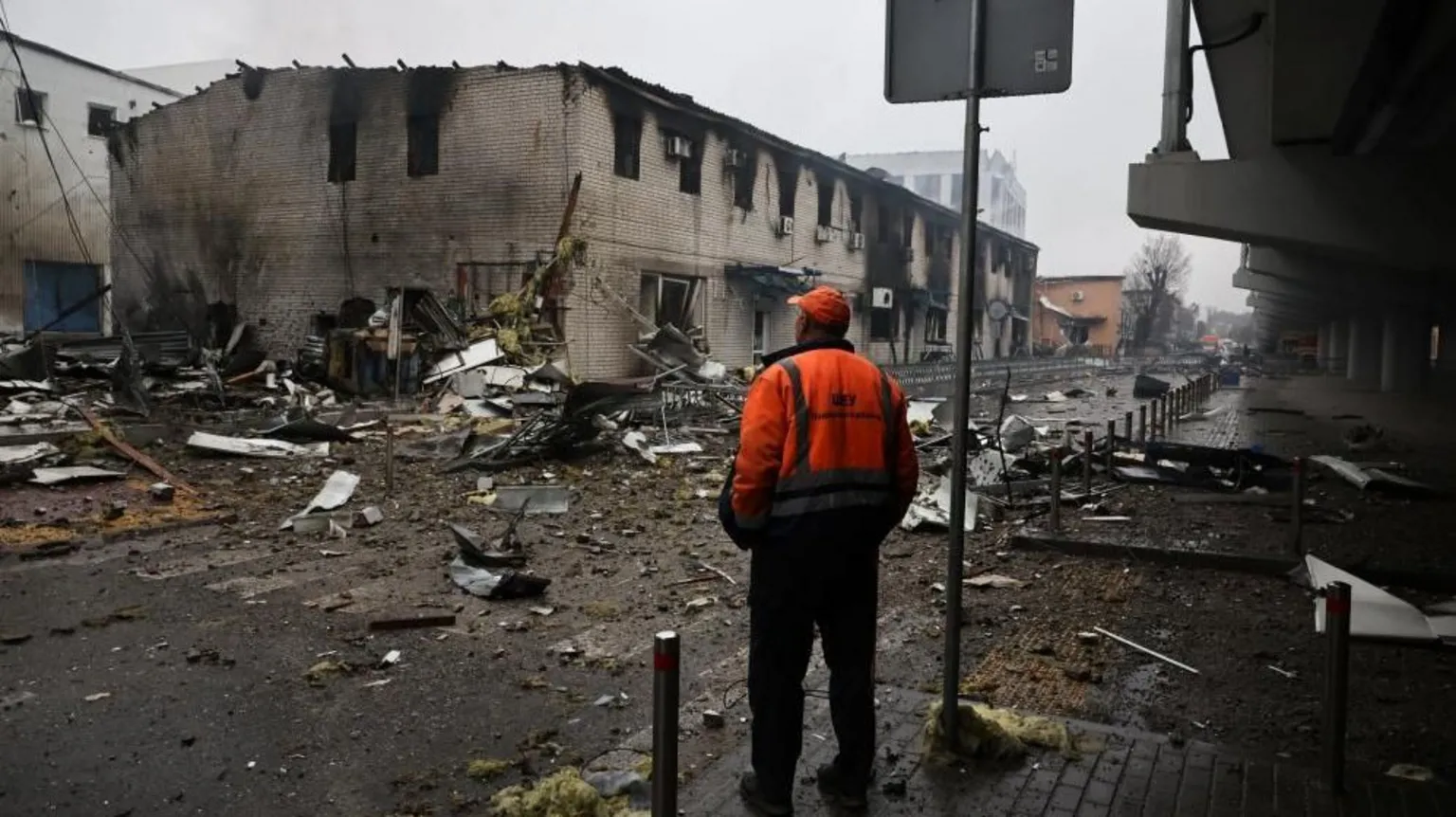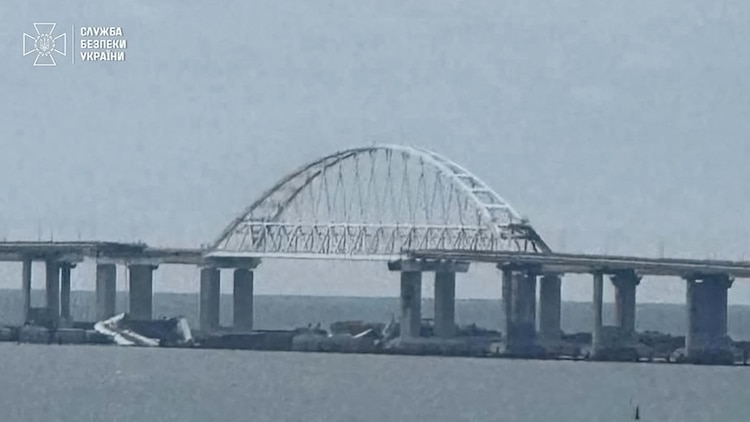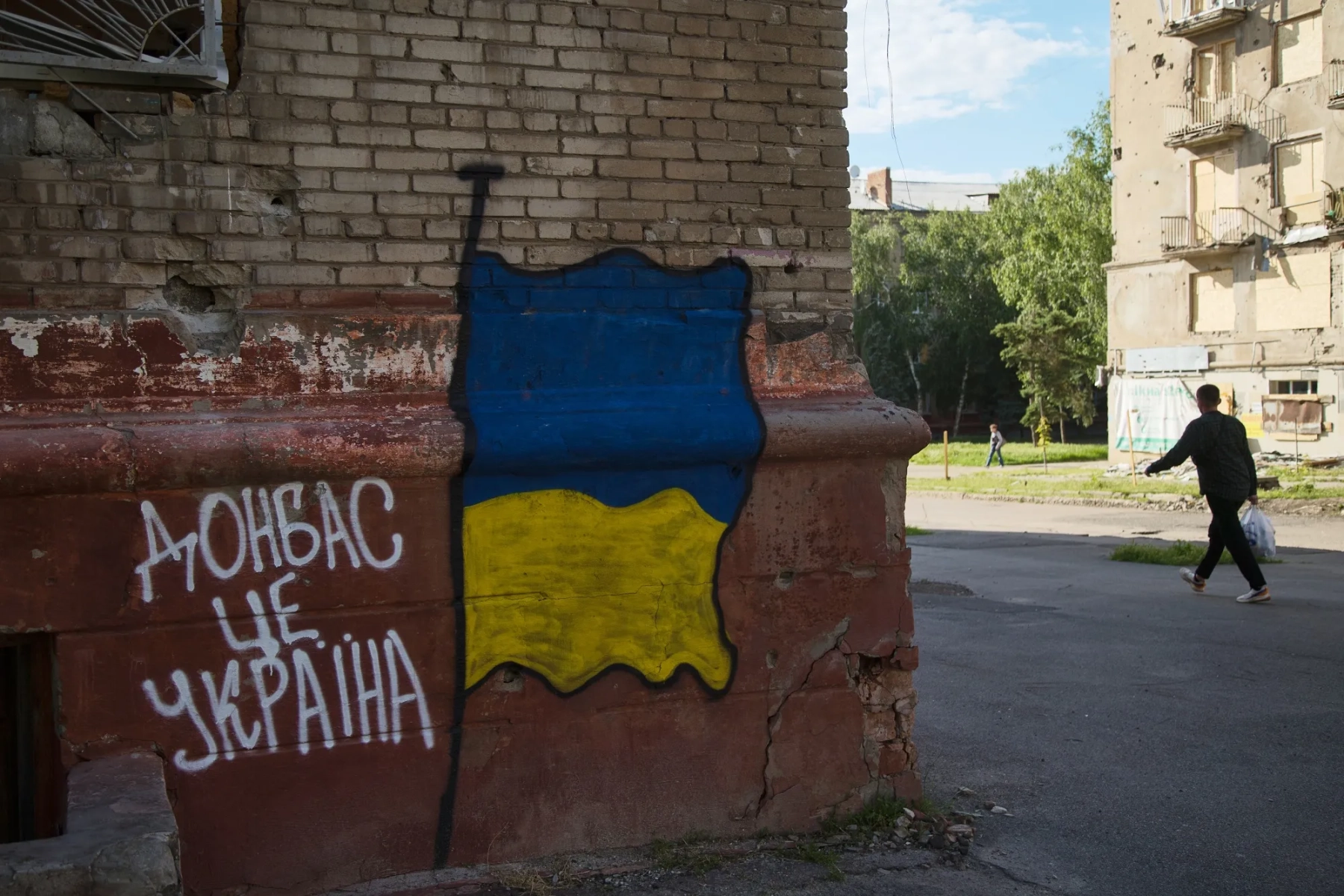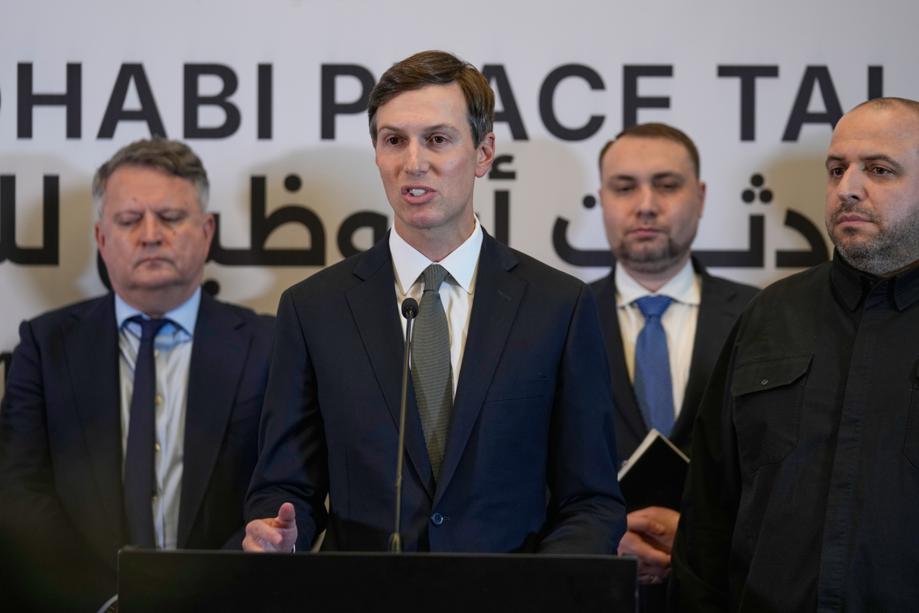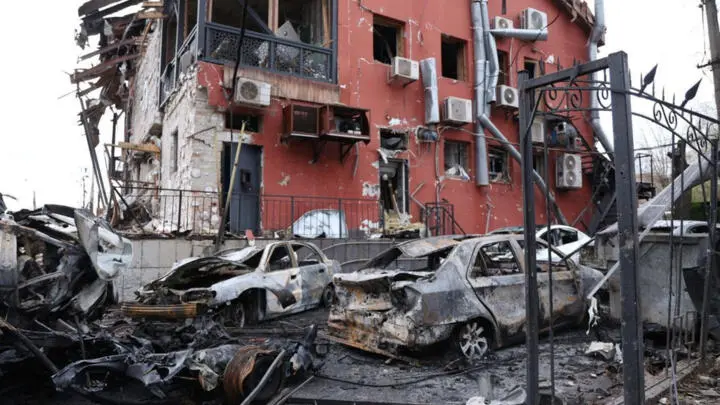

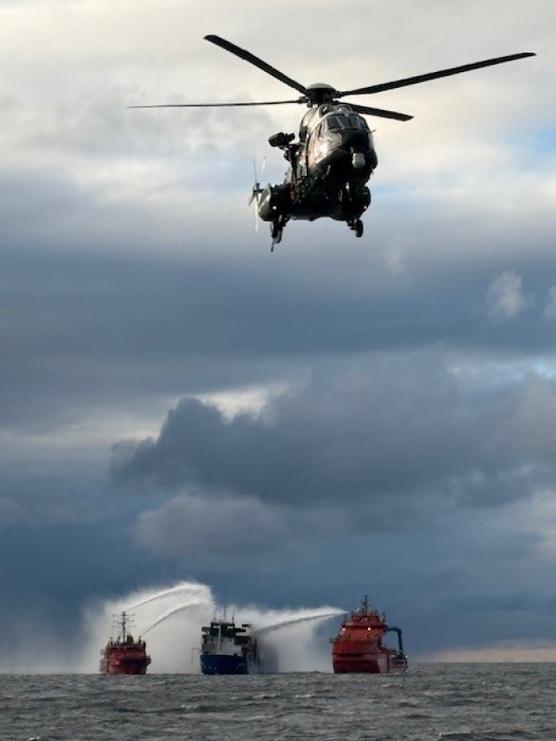
Ukraine has grown bolder in recent days, striking Russian ships in the Baltic Sea and the Mediterranean, as far afield as the Libyan port of Benghazi. Kyiv seeks to encourage the Western alliance to continue supporting the country. But faced with this latest escalation, European leaders are torn between supporting Ukraine and growing concerned.
By Olivier Faye, Claire Gatinois, Louis Imbert and Elise Vincent
Ukrainian President Volodymyr Zelensky struck a paternalistic tone. "[Vladimir Putin] is an aggressor and a killer... He can't be a friend," he said in a soft voice during an interview with the BBC on Friday, November 27. It was as if he were reminding his ally Donald Trump of some basic ethical principles, 10 days after the White House occupant called the Russian president a "friend." "It's up to the president of the United States, but... it's strange," Zelensky said.
"It's like someone saying during World War II that Hitler was a good friend," Zelensky continued, emphasizing that Trump's missteps threaten to put the United States on the wrong side of history. The time when the Ukrainian leader made sure not to upset Trump is truly over. The Trump administration's "betrayal" – its willingness since October 9 to do business with Russia when it announced an agreement to supply Russian diesel – followed by the Republicans' defeat in November 3 midterm elections, seems to have given Zelensky newfound freedom to speak out.
You have 87.75% of this article left to read. The rest is for subscribers only.