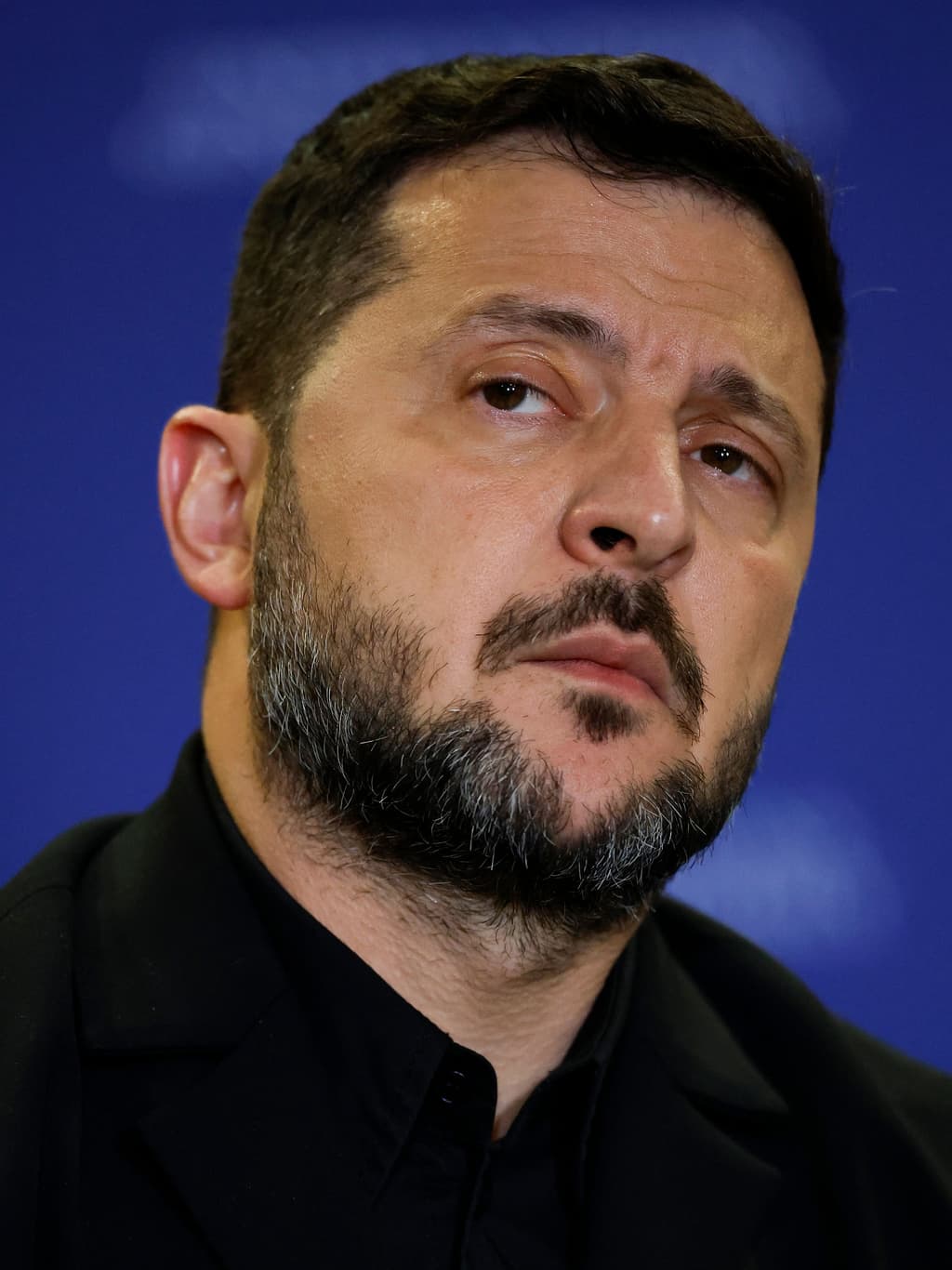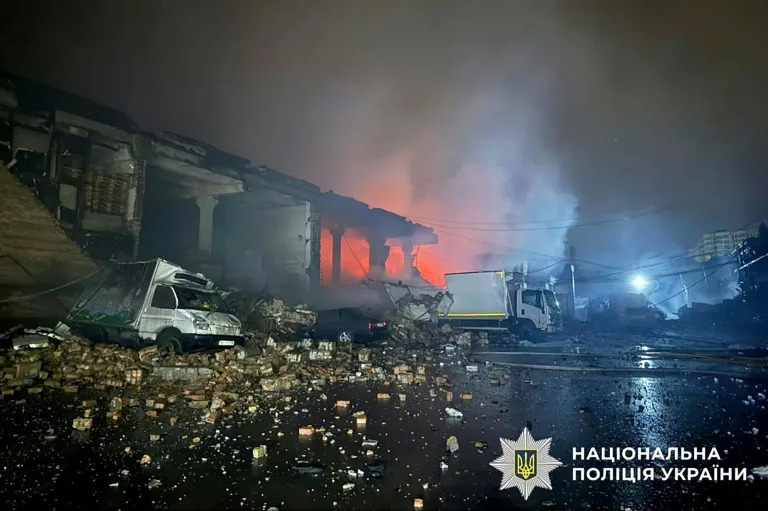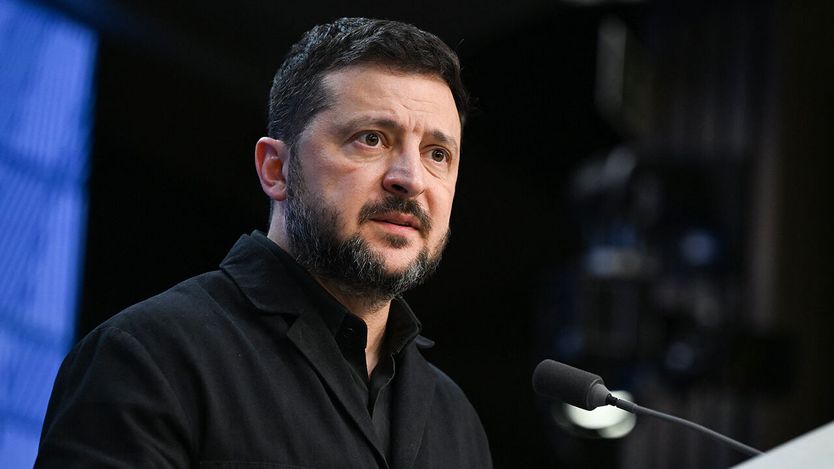

Meeting with Volodymyr Zelensky on Monday, August 24, for a Coalition of the Willing conference, European leaders reiterated their military and financial support for Kyiv and denounced Russia's intensifying strikes on civilian infrastructure.
By Sophie Fay
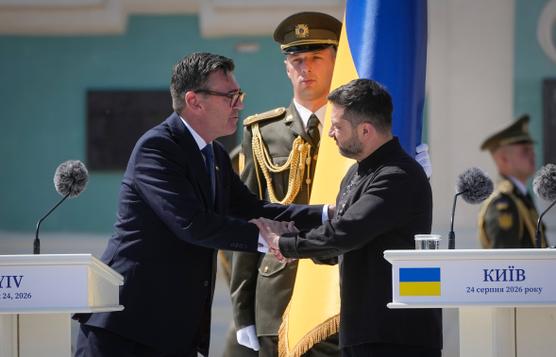
It was hard not to be moved to tears watching parents, wives and children solemnly receive, from Volodymyr Zelensky, posthumous decorations awarded to their sons, husbands and fathers who had died for their country. European leaders who had traveled to the Ukrainian capital looked visibly emotional as they attended the ceremony on Kyiv's St. Sophia Square on Monday, August 24.
The Ukrainian president, wearing an embroidered shirt for the occasion, had invited them to celebrate the national holiday and the 35th anniversary of the country's independence, declared in 1991 after breaking away from the Soviet Union. For Andy Burnham, the British prime minister, this was his first trip to Kyiv. For Antonio Costa, president of the European Council, who was making his fifth visit to Ukraine, the emotion was no less intense.
Speaking from the podium after Zelensky, both leaders strongly reaffirmed Europe's support for Ukraine. For Burnham, who was also on his first foreign visit, the country's resistance to Russian aggression recalled the United Kingdom's stand against Nazi Germany. "My nation kept the flame of European freedom alive in the 20th century, you hold that flame in the 21st," he declared, defying the "outrageous threats" made by Russia against London. Stressing that Ukraine has not been "a drain on our security but the frontline in keeping Europe safe," Burnham thanked Kyiv several times, aligning himself with the position of the leaders of the eight Baltic and Scandinavian countries, who had already met a day earlier for a summit with Ukraine.
You have 74.85% of this article left to read. The rest is for subscribers only.