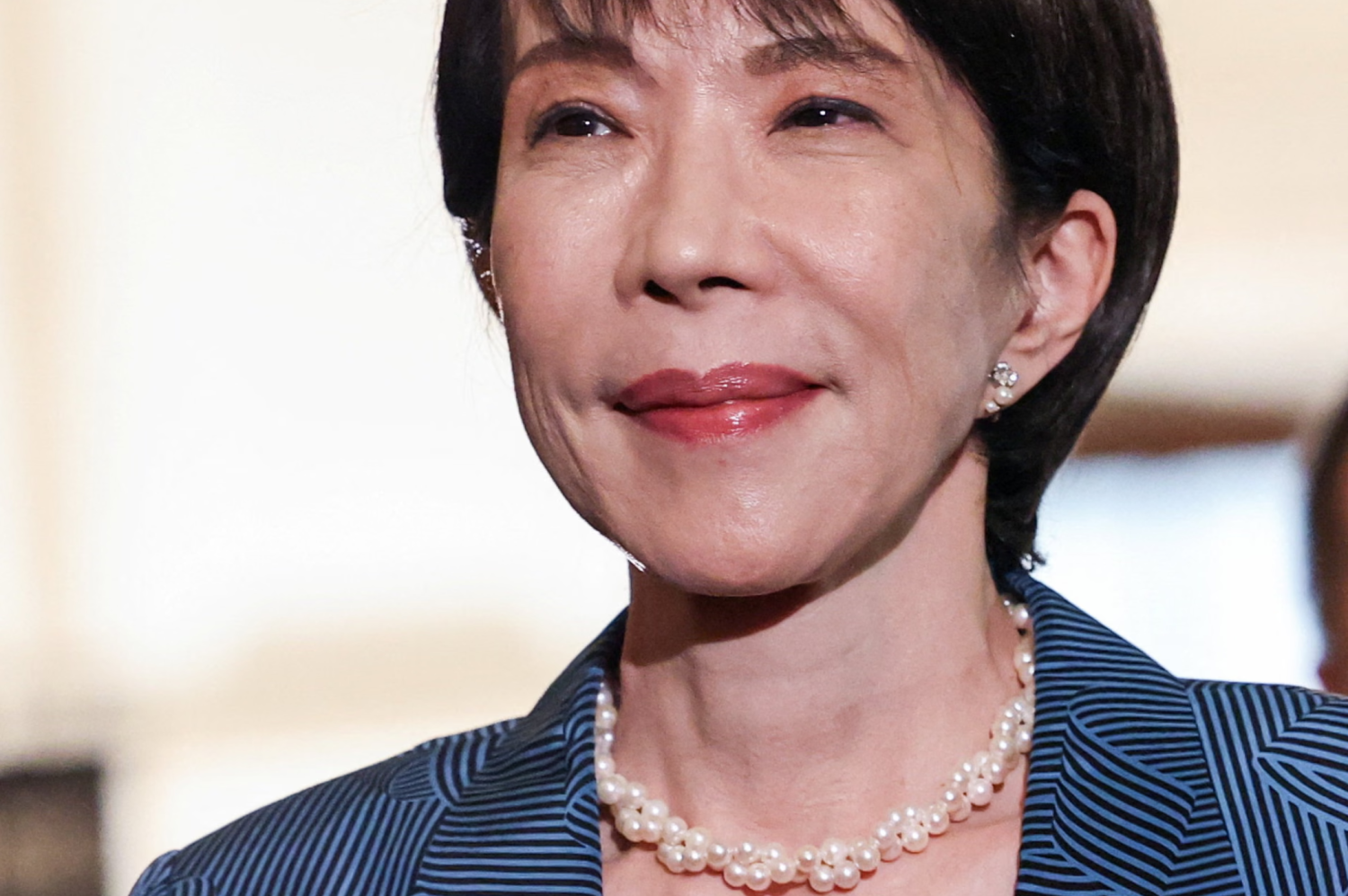

When Sanae Takaichi first joined Japan’s Cabinet in 2006, she was battling a personal health crisis that threatened to derail her political career. Hot flashes caused profuse sweating and bouts of exhaustion that at times left her struggling to function. Sections of the media mocked her as the “sweaty minister.”
In her mid-40s at the time, she went from hospital to hospital desperate for answers. “She told me she might not be able to continue in politics anymore,” says Ruriko Tsushima, a doctor who oversaw Takaichi’s hormone treatment after perimenopause was finally diagnosed. “For someone who had worked so hard from such a young age to say she couldn’t go on — I think she must have been suffering tremendously.”