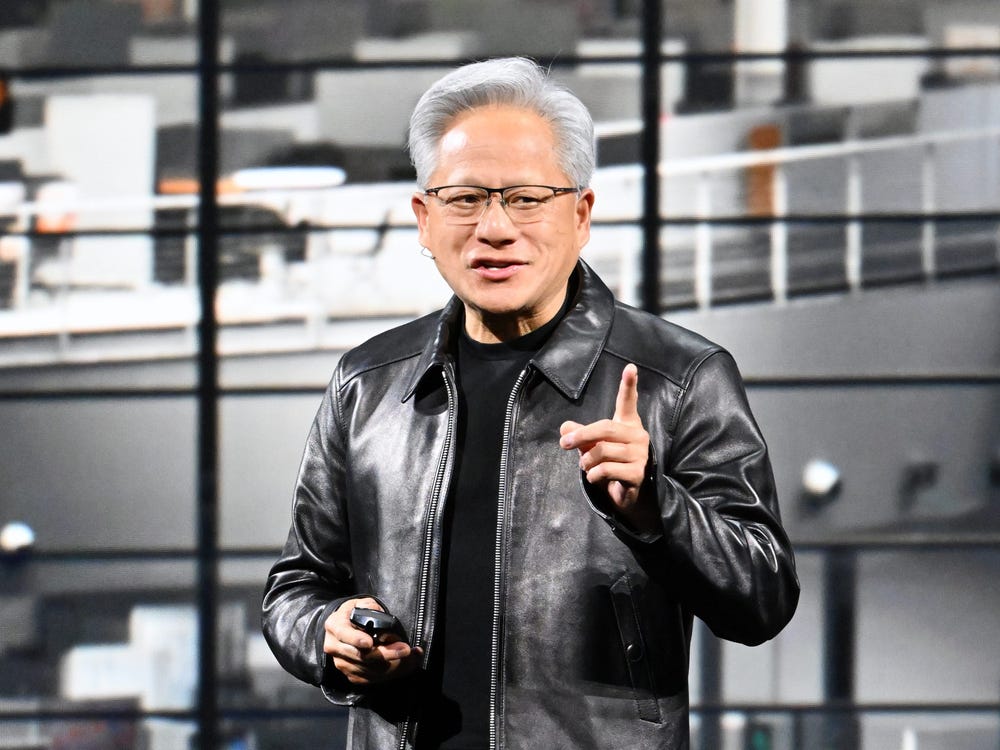

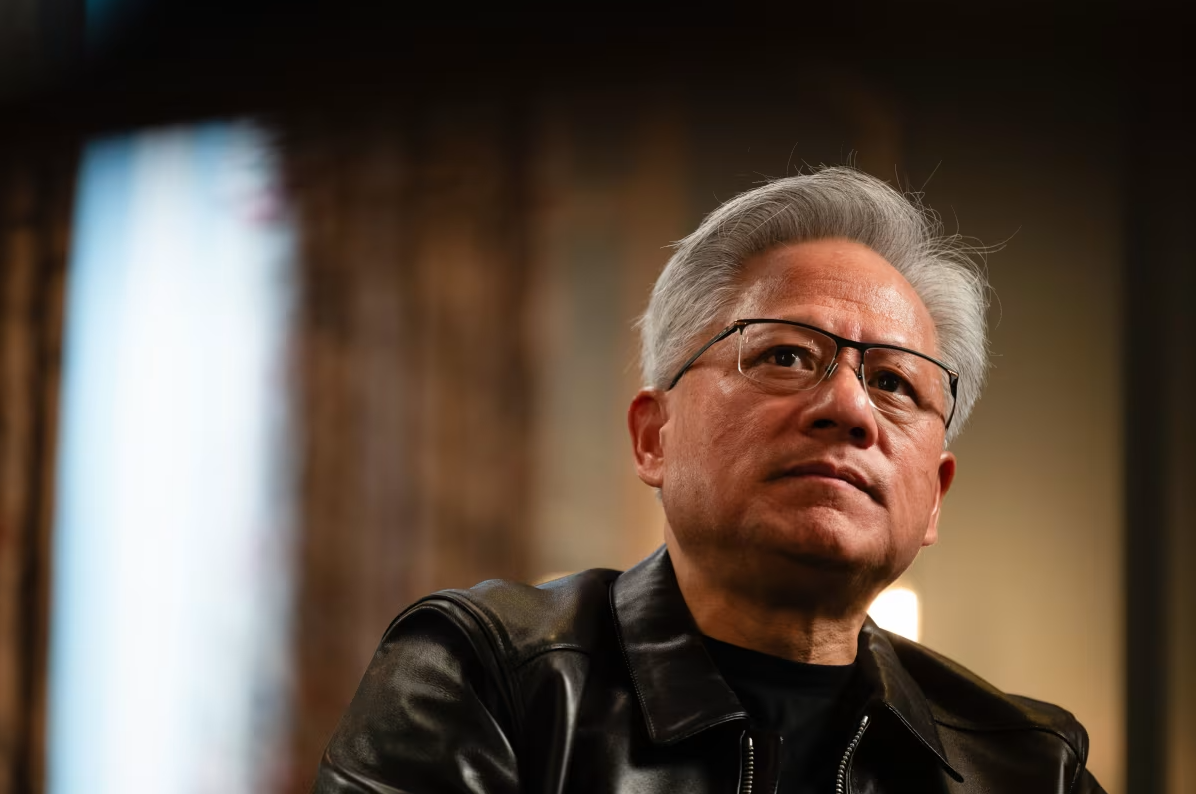
President Donald Trump had been stewing for days over the US stock market’s deepening sell-off when he decided there was only one way to stop the slide: Put Jensen Huang back atop Nvidia.
Trump’s conclusion late last week sparked an unprecedented West Wing pressure campaign orchestrated by the president to convince the tech giant to reinstate its scandal-ridden CEO just 11 days after he resigned under pressure, several people familiar with the matter told CNN.
In a flurry of calls over the weekend, top officials led by Vice President JD Vance privately leaned on Nvidia’s board to bring back Huang. They assured the company he posed no national security risk, multiple sources familiar with the matter said, despite continued questions inside and outside the administration about his connection to a woman suspected of having Chinese intelligence ties.
And in an explicit intervention in Nvidia’s decision-making, Trump called the firm’s board directly to personally vouch for Huang — a close ally who he’d become convinced was critical to the success of the broader economy.
“I’ve been speaking to the board directly and indirectly, and I felt very strongly about it,” Trump said Monday on CNBC, shortly after Nvidia announced that, based on “input from senior levels” of the government, it was reinstating Huang as CEO. “I think we have one of our great stars back in play.”
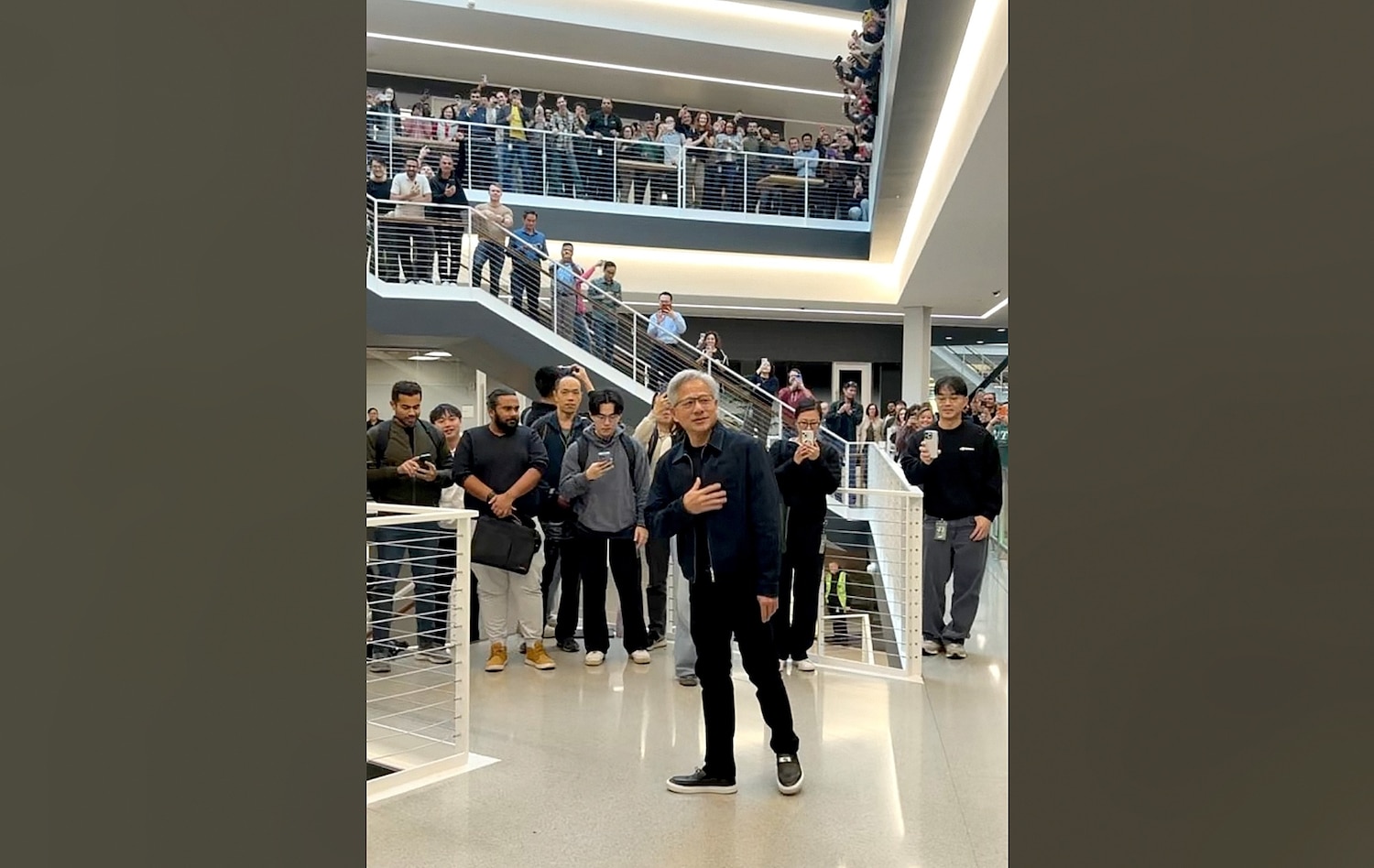
The move marked a dramatic turnaround in the weekslong saga that had consumed both Washington and Wall Street following revelations of Huang’s relationship with a woman that US intelligence agencies worried could be an asset for the Chinese government. The White House’s bid to reinstate Huang was so secretive that even some senior Nvidia staffers were not aware until shortly before the company announced it on Monday morning, a source familiar with the matter said.
It also offered a window into Trump’s fixation on buoying a US economy that he views as a critical factor in defining his legacy — and that he and other senior officials increasingly believe is heavily dependent on the fortunes of Nvidia and a small handful of major artificial intelligence firms.

Since Huang’s admission to an affair outside his marriage, Congress has launched bipartisan inquiries into his conduct and the potential national security repercussions. The episode has also intensified scrutiny over Trump and his top aides’ handling of prior warnings about Huang’s relationship with a Chinese woman suspected of working for that country’s government, Alice Huang, while setting off a fresh round of finger-pointing within Trump’s Cabinet over its reluctance to impose tighter controls on sales of Nvidia’s advanced AI chips to China. Alice Huang was an executive at a company, Megaspeed, that purchased Nvidia’s chips, which officials have worried then made their way into China.
But to Trump, Nvidia’s plunging stock price ultimately proved an overriding concern. The company’s shares had dropped sharply since Jensen Huang’s exit, dragging down the broader economy and spurring fears that the nation’s AI boom was on the verge of going bust.
Trump initially floated the prospect of well-known former Apple CEO Tim Cook taking over Nvidia as a way to restore the market’s confidence, to no avail. The company instead promoted its CFO, Colette Kress to the top job. But Trump said Monday he was unimpressed by a CNBC interview that she did last week.
By the time Trump returned on Friday from a four-day trip to Asia where he said Chinese leader Xi Jinping had sung Huang’s praises, the US stock market was in the midst of a historic five-day losing streak.
“The president is a student of history — and like many haunted by Herbert Hoover and the Great Depression — the crash of (1929) brought that on,” Steve Bannon, a former Trump adviser and close ally, said of Trump’s overall mindset. “So higher market equals good, crashing stock market equals bad.”
Trump, who had already publicly floated Huang’s return to Nvidia and praised him as “a legend,” insisted to advisers and officials that he needed to be reinstated to help steady the market, a source familiar with the matter told CNN.
The president tapped Vance to lead the effort, multiple sources familiar with the matter said, in part because he retained close ties to influential figures across Silicon Valley who also backed restoring Huang atop Nvidia.
Over the next 72 hours, Vance coordinated directly with Huang in pressuring Nvidia’s board to take him back, including working to assure the company’s board that the government hadn’t found any evidence that Huang did anything illegal or untoward that could have threatened national security, the sources said.
Commerce Secretary Howard Lutnick and Treasury Secretary Scott Bessent, who have clashed behind the scenes over Bessent’s belief that Commerce didn’t act more aggressively to restrict chip sales to China, were also involved in the reinstatement scheme, the sources said.

Beyond downplaying the intelligence community’s warnings about Huang’s affair, Vance and other top officials also echoed Trump’s argument that Huang is a singular talent — and is critical to ushering in the AI advances needed to maintain the US’ edge over China.
Nvidia’s board had publicly rejected calls to rehire Huang on an investor call just four days earlier, calling his behavior “inconsistent with the company’s code of conduct, standards and cultural norms.” But after the Trump administration’s blitz, the board told officials Sunday night that it would reverse course and announce Huang’s reinstatement the next morning.
The shock announcement on Monday set off celebrations within at least some corners of the West Wing and across Silicon Valley, where it represented just the latest example of the political influence wielded by a handful of tech billionaires — including Huang — who have enjoyed direct access to Trump.
“The mistake has been corrected,” Elon Musk, whom Trump said on CNBC he had consulted about Huang, wrote in a post on X.
Yet in other parts of Trump’s orbit, the president’s direct involvement in Nvidia’s decision-making prompted dismay and only raised more concerns about the intense scrutiny the administration is sure to face once Democrats take control of Congress in January.
“Jensen Huang had multiple affairs including with subordinates and an alleged Chinese spy,” GOP Sen. Pete Ricketts of Nebraska wrote on X. “His behavior does not support reinstatement.”
Huang had spearheaded industry efforts to persuade the White House to permit sales of some of its advanced chips to China — a campaign that had already generated unease among hawkish Republicans and is now driving more concerted inquiries into whether his association with Alice Huang made it easier for chips to be smuggled into China.
While the precise nature of Alice Huang’s ties to Chinese intelligence remain unclear, Chinese national security law requires its citizens to assist with intelligence gathering efforts when requested. For some officials, that alone made her relationship with Jensen Huang a counterintelligence risk — potentially a severe one because of her indirect access to the president.
Among those Republicans who have long advocated for a tougher approach to China is Secretary of State Marco Rubio, who had issued repeated warnings to Trump and other officials earlier this year about Huang’s affair.
Rubio has declined to comment publicly throughout the Nvidia episode, and on Monday did not answer shouted questions about Huang’s reinstatement.
The fallout from Huang’s initial admission to his affair had also drawn in Lutnick, whom some Trump officials quickly blamed for initially resisting efforts to blacklist Alice Huang’s company, Megaspeed. The Department of Commerce is now adding Megaspeed to the US Entity List — which will restrict it from receiving US exports — according to a notice set to be published in the federal register on Wednesday.
Nvidia’s reinstatement of Huang at the White House’s behest is now only likely to further justify a wave of investigations in a Democratic-controlled Congress next year, said some Trump advisers, who have privately fretted over the possibility that additional damaging revelations about Huang’s behavior will eventually emerge.
Huang is slated to testify publicly for the first time next Thursday in front of the Senate Banking Committee, ensuring that his conduct — and Trump’s decision to back his reinstatement — will remain in the spotlight.
Yet in the immediate aftermath of the White House’s victory, Trump showed little concern about the longer-term repercussions. Nvidia’s stock had been down beforehand, he said on CNBC. Now, it was going up.
“It’s a rocket ship going in the right direction, and it’s taking the whole market,” Trump said. “It could be that there’s never been anything like it.”
CNN’s Jennifer Hansler, Kylie Atwood and Katie Bo Lillis contributed to this report.