
A conversation with Quinta Jurecic about how the recent rulings will affect the president’s power
This is an edition of The Atlantic Daily, a newsletter that guides you through the biggest stories of the day, helps you discover new ideas, and recommends the best in culture. Sign up for it here.
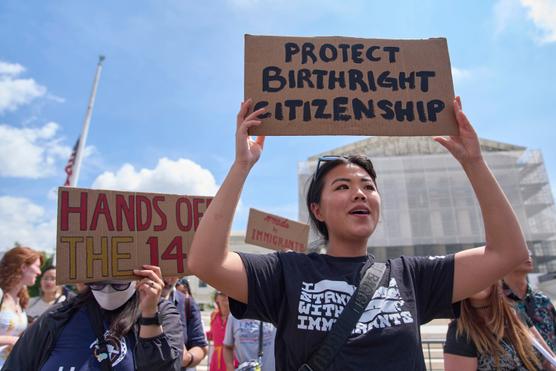
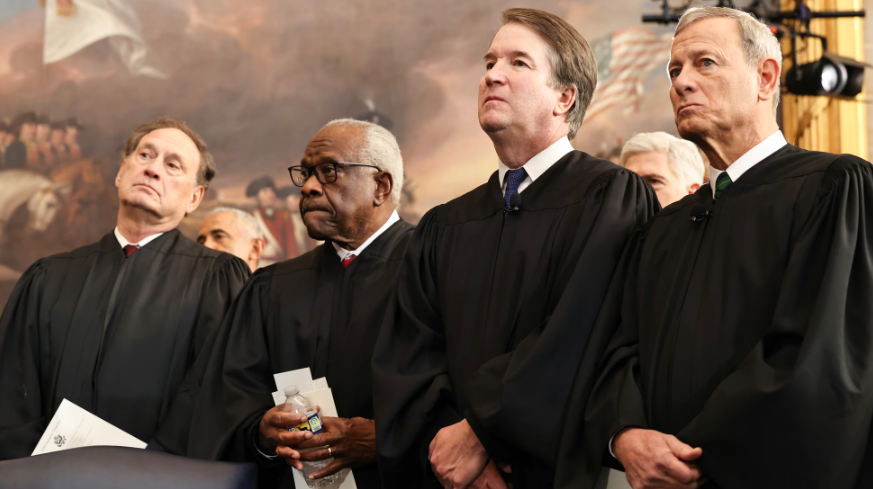
This week, the Supreme Court handed down the final seven opinions of its term. The rulings paint a complicated picture; some broadly affirm the president’s executive power, and others seem to rebuff his agenda. Today, the justices struck down the executive order that sought to end birthright citizenship for the children of noncitizens—but the vote was in some ways far closer than expected. In today’s newsletter, The Atlantic’s staff writer Quinta Jurecic breaks down the decisions.
Will Gottsegen: What surprised you most about the Supreme Court’s decisions this week?
Quinta Jurecic: The big-ticket items were Trump v. Slaughter and Trump v. Cook, which involved the president’s ability to fire Senate-confirmed leadership at independent agencies. And in those cases, the Court ruled that the president does have a very wide-ranging ability to fire, under a theory that is known as the “unitary executive.” But the justices carved out an exception for the Federal Reserve by ruling that Governor Lisa Cook can stay in her job for now. I don’t think anybody was surprised by either of those decisions.