
Analysis by
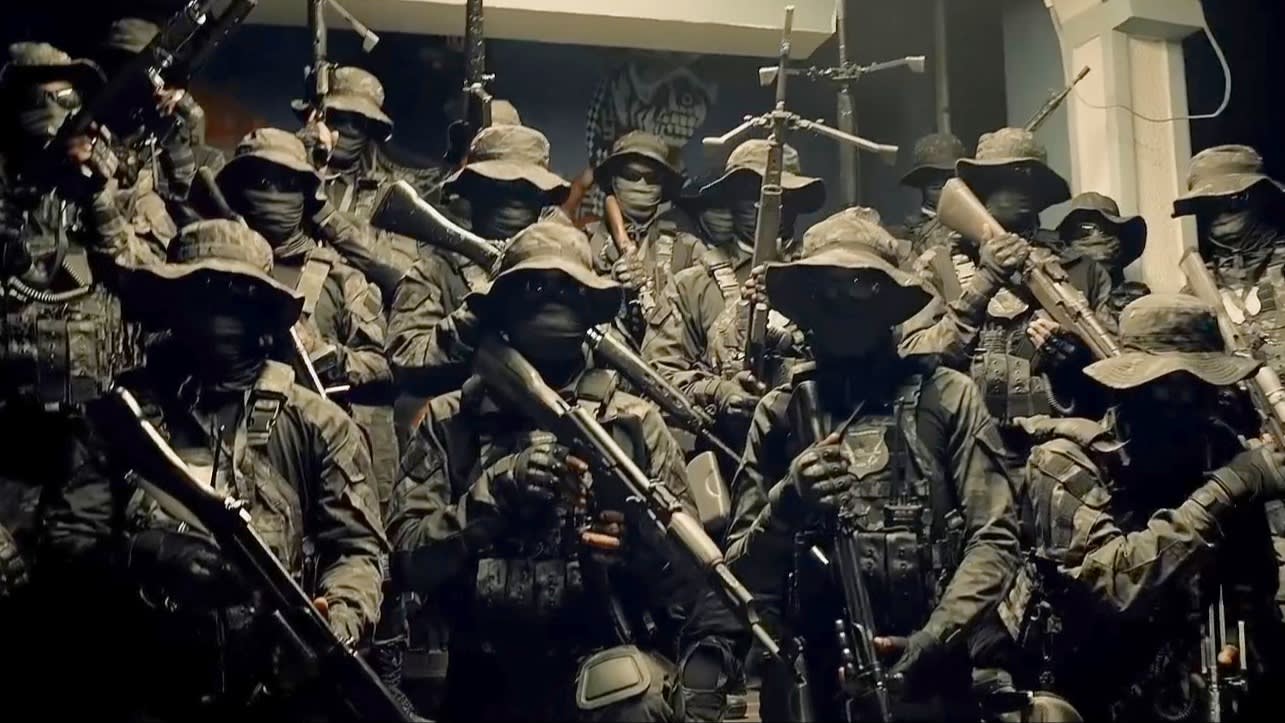
Gun-toting robots trotting down a dark alley. The blaze of a helicopter-launched rocket. A gang boss’s mansion crumbling in the sunshine.
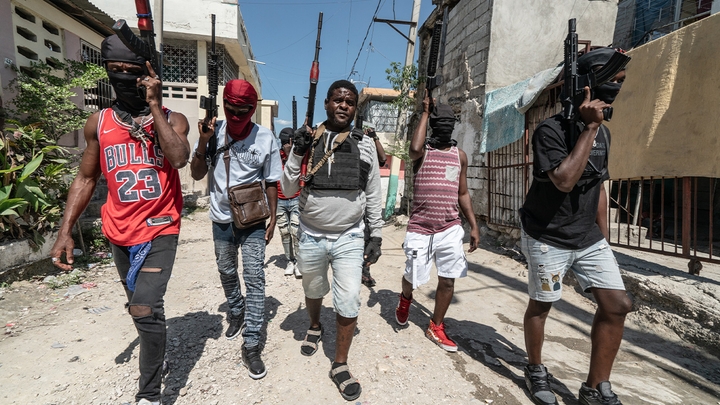
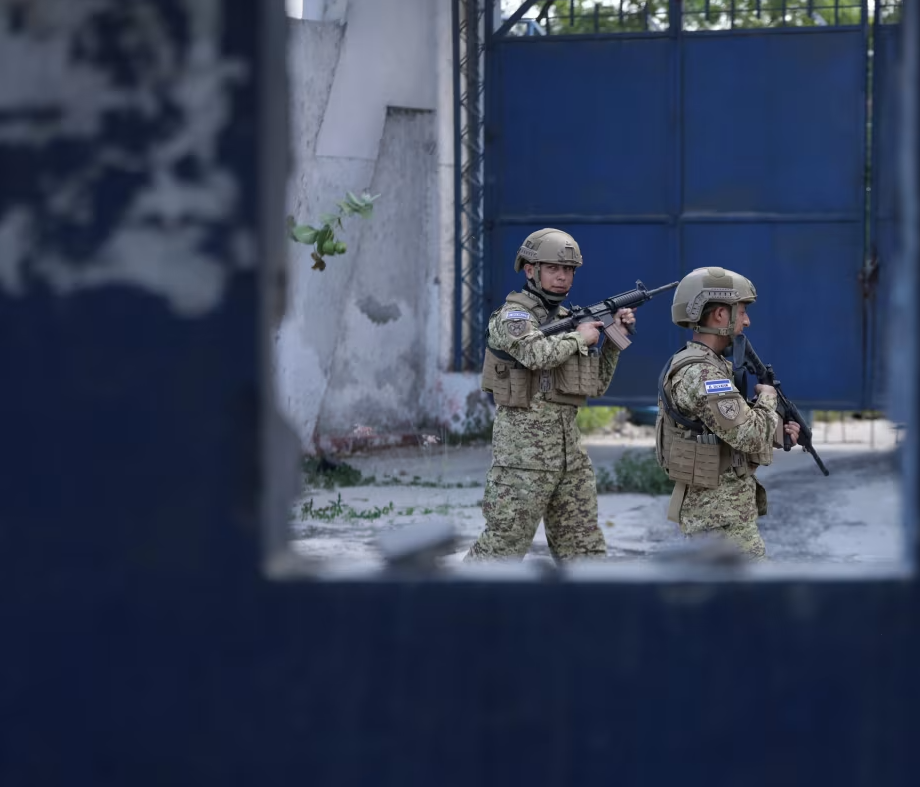
Thousands of Salvadoran troops landed in Haiti last month to combat gangs overrunning the Caribbean nation. While it’s too early to tell if they’re succeeding, the personal involvement of popular Salvadoran President Nayib Bukele has stirred rare hope on the island – and avid interest across Latin America.
What’s the difference between the newly arrived Salvadorans and all the other fighting forces in Haiti’s crowded security landscape? “They’re really good at making videos,” one local security source said.
Most of what we know about the Salvadoran force has come in glimpses from Bukele’s social media accounts. The deal governing their presence has not been made public, but the 45-year-old president is effectively drumming up support with promises in Creole to root out the gangs as he has done in El Salvador, combined with explosive footage and online banter.
“For the first time, I felt like someone had listened to me,” said Sophia Fecu, describing the moment she saw a video posted by Bukele that showed helicopters attacking gang leader Lanmo Sanjou’s house on the outskirts of the capital Port-au-Prince. “I felt like my voice had finally been heard.”
Days earlier, Fecu, a Haitian entrepreneur and writer, had posted a picture of the notorious gang clubhouse on X and tagged Bukele. “I just felt that it wasn’t right for these criminals to be living so comfortably while the rest of the population was forced to flee their homes and communities,” she said from the US, where she now lives. “I honestly didn’t expect him to respond.”
But he did. Bukele answered on X asking for the location of the house, sparking a flurry of responses. Three days later, he posted an update: Video of helicopters blasting apart the building’s blue-tiled facade, shadowy figures of suspected gang members fleeing the compound on foot.
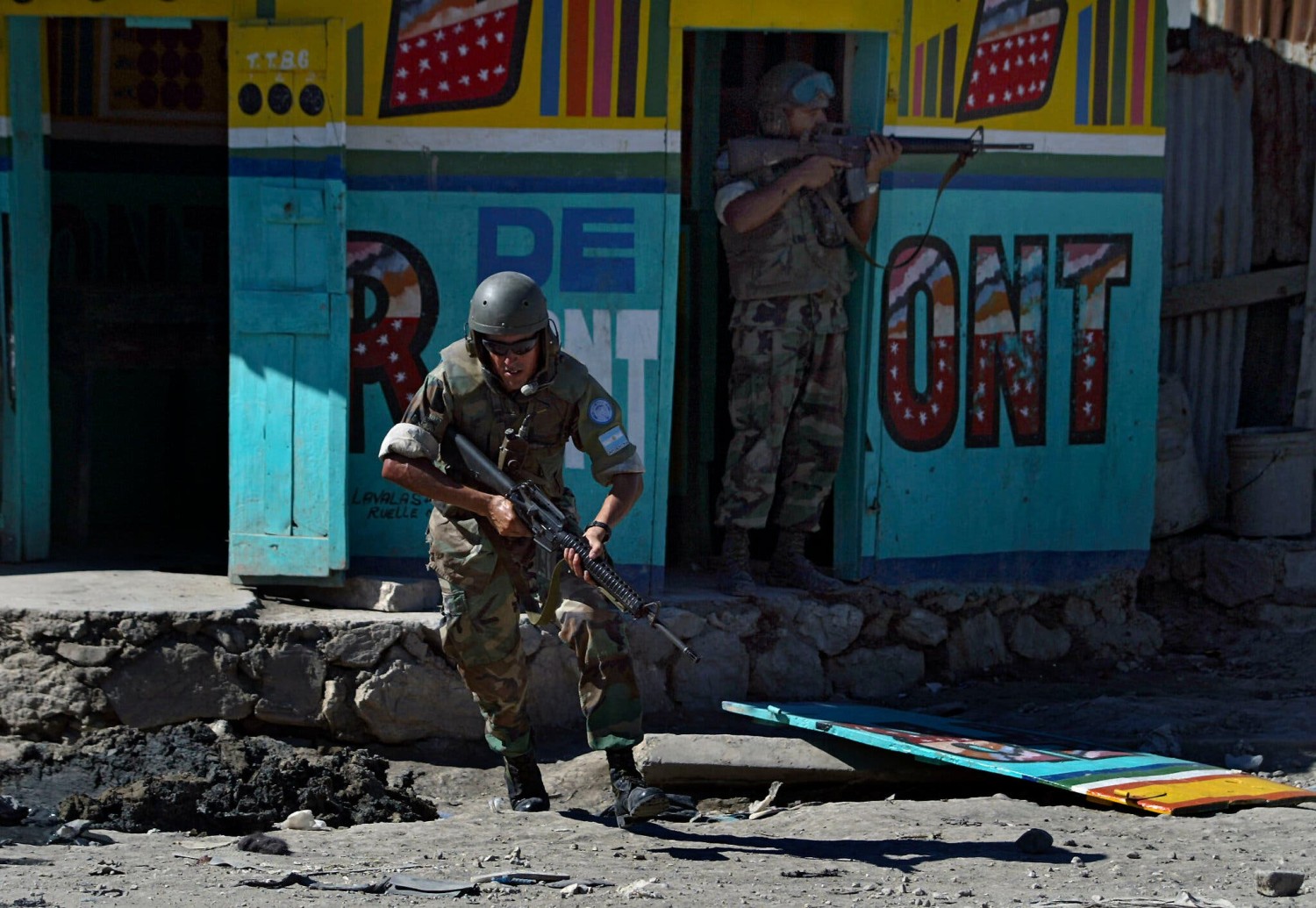
It’s hard to imagine other forces in Haiti crowdsourcing coordinates for a well-known gang headquarters. But Haitian police, a secretive task force involving a private military contractor led by Erik Prince, and the multinational Gang Suppression Force have been busy, too: Police announced on Thursday that they had killed 34 gang members in a major operation in the Port-au-Prince neighborhood of Martissant. The GSF, still building its force, said its operations are entering a “new phase” of pressure and is also posting more videos of soldiers at work. But no one boasts the same reach as Bukele.
Some friction was inevitable. Security sources in Haiti complain about a lack of cooperation and credit-sharing with the Salvadorans and point out that fighting videos don’t show the difficult reality of working in Haiti, like finding parts to repair helicopters damaged by gang fire.
Last week, Salvadoran troops reportedly fired perilously close to GSF troops. On another occasion, they sparked tensions after trying to enter a GSF outpost without notice, sources said. On Friday, two soldiers died and two others were wounded in an incident handling explosive material, according to the Salvadoran army.
Still, there is hope for a deeper eventual collaboration once the new force finds its footing. And Bukele will need it. He has raised expectations in an exhausted nation, and now he must deliver. His troops are far from home and facing a gang alliance that knows the terrain better, can replace fallen soldiers with forced conscripts, and shares information and resources across Port-au-Prince.
“Imagine if the police, task force, GSF and Salvadorans were all working together, with their combined ground and air forces — that would be amazing,” a security source said wistfully.